How to Read an NYC Daycare Inspection Report

DATE
August 23, 2026
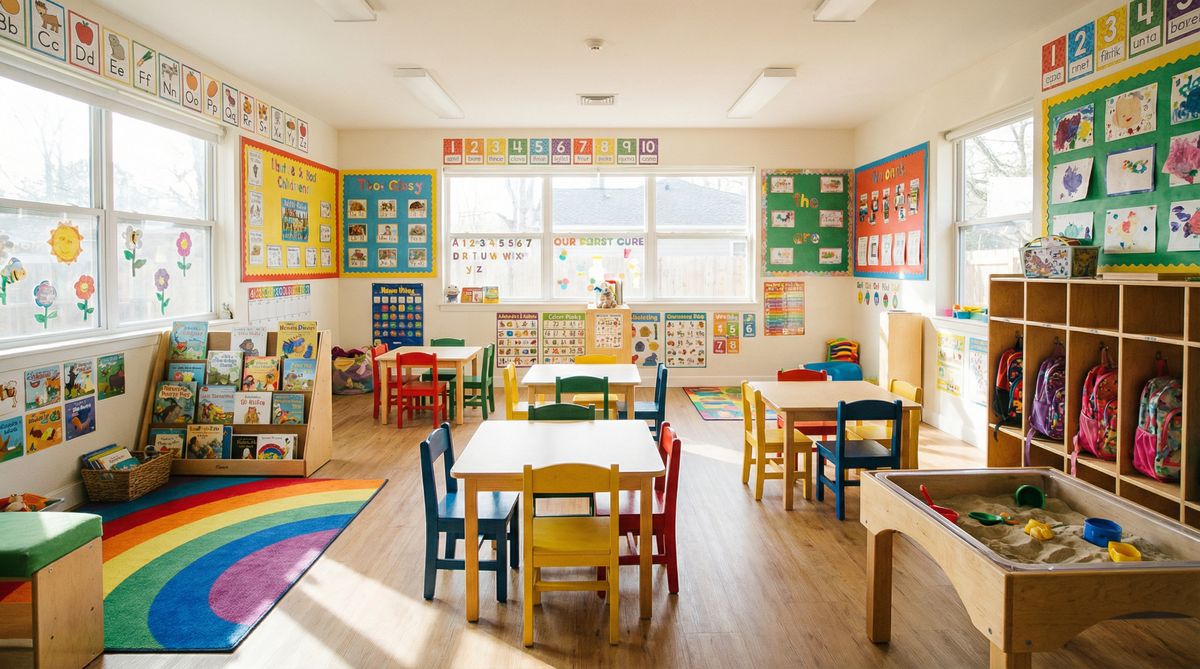
Well-organized, clean preschool classroom with colorful learning areas and proper facilities

What You're Actually Looking At

The NYC DOH publishes detailed inspection records for every licensed and registered childcare facility. These aren't kept secret. They're searchable, findable, and they're yours to review. When a facility is inspected, the inspector documents compliance issues using standardized violation codes. Some violations result in immediate notices or fines. Others are minor record-keeping problems. The trick is knowing which is which.

Sunshine Learning Center, like all NYC daycare centers, is subject to these inspections. Understanding what the inspectors look for helps you ask better questions during daycare tours and makes you a more informed parent.

How to Find Your Facility's Inspection Report

Start at the NYC Department of Health childcare facility search. Visit the Sunshine Learning Center NYC locations page to find which facility you're interested in, then search the DOH database by facility name and zip code. The DOH website returns all inspections from the past three years, organized by date. Recent inspections are at the top.

Each inspection record shows:

  • Inspection Date: When the DOH visited
  • Inspection Type: Initial license, renewal, complaint-driven, or follow-up
  • Violations: Listed by code with brief descriptions
  • Remediation Status: Whether the center fixed the issue and when

Violation Categories

The DOH uses three severity levels. This is where most parents get confused, so pay attention.

Examples of violations include: improper food storage that allows bacterial growth, unsafe access to chemicals or medications, inadequate supervision leading to a child injury, or operating without a required person on staff. If you see critical violations, that's a reason to ask very specific follow-up questions at your next tour.

Other violations can show systemic gaps in how the center operates. Examples: inadequate handwashing facilities, missing required health and immunization records for enrolled children, failure to follow proper sick-child protocols, or insufficient staff training documentation.

Minor Violations are record-keeping, documentation, or small procedural issues that don't directly threaten child safety. Examples: missing signatures on required forms, outdated emergency contact information, filing paperwork late, or small gaps in attendance records. These are annoying for the center but don't indicate unsafe conditions.

Inspection reports group violations by category and label the severity. A facility with one or two minor violations from two years ago is normal. A facility with recurring major violations in the same area (like supervision or health screening) suggests a pattern you should investigate.

Red Flags vs. Bureaucratic Noise

Here's where honesty matters. Not all violations are created equal, and the DOH system produces some noise.

Genuine red flags:

  • Multiple critical violations in a single inspection
  • Critical violations in supervision or safety (children getting hurt because of inadequate staffing)
  • Repeat major violations in the same category (e.g., three inspections showing handwashing and hygiene violations)
  • Recent violations that haven't been resolved (you can track remediation status on the report)
  • Violations related to child welfare or abuse/neglect allegations

Bureaucratic noise:

  • Single minor violations for paperwork or documentation
  • Administrative violations that don't affect day-to-day safety (e.g., a form filed two days late)
  • Violations from three years ago that were immediately resolved and haven't recurred
  • One-time violations unrelated to the facility's core operations

Example: A facility cited for "missing emergency contact information for one enrolled child" is a record-keeping problem, probably resolved in days. A facility cited for "children observed playing unsupervised in the kitchen near an operating stove" is a critical safety failure and requires immediate explanation.

Questions to Ask During Your Daycare Tour

If you find violations on the facility's inspection report, write them down and ask about them in person. Good facilities expect this question and have clear answers. Here's how to ask:

"I reviewed your recent inspection reports. I saw [cite the violation] listed on the [date] inspection. Can you walk me through what happened and how you fixed it?"

Listen for:

  • Specific answers, not defensiveness
  • Evidence they actually resolved the problem (new equipment, new training, new process, documentation of the fix)
  • Acknowledgment of what went wrong, not excuses
  • If the violation is recent, a clear remediation timeline

If the center gets defensive, hand-waves, or can't explain a critical violation, that's a real concern. Good facilities own their problems and show how they've fixed them.

Understanding State Law: The Difference Between a Violation and a Law Break

One more important distinction: violation codes don't necessarily mean the facility broke the law. They mean the facility didn't meet the DOH's written compliance standards at the time of inspection. Standards change, interpretations evolve, and facilities can dispute violations. If you see a violation you're concerned about, you can:

  • Ask the facility for their remediation plan (they should have one on file)
  • Request documentation of how they've addressed it
  • Contact the DOH directly to ask for clarification on that specific violation code
  • Ask your pediatrician whether it's a health concern

The DOH publishes clear definitions of each violation code. If you're looking at an unfamiliar one, search the NYC DOH childcare regulations online or call the DOH bureau directly. They're happy to explain what a violation means in plain English.

The Big Picture: What These Reports Actually Tell You

Inspection reports are a data point, not a final verdict. A facility with zero violations in three years is great. A facility with minor violations that get fixed quickly shows it responds to feedback. A facility with a pattern of critical violations or violations it doesn't remediate is a real concern.

The best way to use inspection reports is as a conversation starter. They're a framework for asking smarter questions when you tour a facility. They let you check whether the center operates the way it claims.

When you visit Sunshine Learning Center for a tour, ask about recent inspections, ask about any violations you found, and watch how the staff respond. That combination of objective data and direct conversation gives you real insight into whether a facility is right for your family.

Most NYC daycare centers operate safely and professionally. The inspection process exists to keep oversight consistent and transparent. Reading these reports is your right as a parent, and using them to ask good questions is how you stay involved in your child's care. Learn more about what our holistic approach to child development means, and discover how we support families through evidence-based early learning practices.

Explore moreBlogs & Articles

2
Min
October 28, 2026

UPK and 3-K in New York City: What the Free Pre-K Programs Actually Cover

UPK and 3-K in New York City: What the Free Pre-K Programs Actually Cover

In recent years, the landscape of early childhood education in New York City has undergone significant changes with the introduction of two major initiatives aimed at providing universal access to free pre-kindergarten programs. The Universal Pre-Kindergarten (UPK) and 3-K programs are designed to give all children between the ages of three and four a strong foundation for academic success. This article will guide parents through understanding these programs, including their eligibility requirements, what they cover, how to apply, and tips on choosing providers.

What Are UPK and 3-K Programs?

The Universal Pre-Kindergarten (UPK) program is designed for four-year-olds and aims to prepare them for kindergarten by focusing on academic readiness skills such as literacy, numeracy, and social-emotional development. The 3-K program targets three-year-olds and offers a curriculum that supports early language and cognitive growth through play-based learning.

These programs are part of the New York City Department of Education's efforts to improve access to quality early education for all families regardless of income or background. By offering these free pre-K options, the city hopes to close achievement gaps before children enter formal schooling.

Eligibility Requirements

To qualify for UPK and 3-K programs in NYC, there are several criteria that need to be met:

  • Date of Birth: Children must turn four years old by December 31st to enroll in the current year's UPK program.
  • Residency: Both programs require applicants to live within New York City limits at the time of application.

In addition, while these are free for all NYC residents, priority access may be given based on family income and number of children in a household.

What Is Covered by UPK and 3-K Programs?

The curriculum for UPK and 3-K is carefully designed to meet specific educational goals. Here's what parents can expect:

UPK Program Curriculum

  • Literacy Skills: Activities focused on letter recognition, phonemic awareness, and early reading strategies.
  • Numeracy: Math concepts such as counting, number sense, and simple problem-solving skills.
  • Social-Emotional Learning: Developing self-regulation, making friends, and understanding emotions.

3-K Program Curriculum

  • Linguistic Development: Enhancing vocabulary, language comprehension through stories and conversations.
  • Cognitive Growth: Exploring numbers, shapes, colors through interactive games and puzzles.
  • Social Play: Encouraging cooperation, sharing, turn-taking during group activities.

In addition to these educational components, both programs provide meals (breakfast, lunch), snacks, transportation in some cases, and healthcare services like vision screening. They also offer parent workshops and family engagement opportunities.

The Application Process for UPK and 3-K Programs

Applying for either UPK or 3-K is a straightforward process that can be completed online through the official NYC DOE website or at district offices.

Steps to Apply:

  1. Create an Account: Visit the New York City schools website. Fill in basic personal information such as name, address, and email.
  2. Complete the Application: Answer questions about your child's birth date, residency status, and any preferences for specific schools or programs.
  3. Upload Required Documents: Scan and upload proof of identity (like a birth certificate), residency documentation (utility bill in parent's name).
  4. Submit Your Application: Once everything is filled out correctly, submit your application before the deadline. You will receive confirmation via email.

If you prefer not to apply online, visit your local district's Family Welcome Center where staff can assist with paper applications and provide guidance on navigating the system.

Selecting a Provider for Your Child

Choosing the right pre-K program is crucial. Here are some factors to consider:

Educational Approach

  • Look into whether the school follows play-based, Montessori, Reggio Emilia, or traditional teaching methodologies.

School Culture and Community Involvement

  • Visit schools during open houses to see how teachers interact with students. Ask about community partnerships and after-school programs available.

Teacher Qualifications and Background Checks

Ensure that educators have appropriate certification, training, and clearances for working with children.

Conclusion: Embracing the Benefits of UPK and 3-K Programs

The Universal Pre-Kindergarten (UPK) and 3-K programs represent a significant step towards making high-quality early education accessible to every New York City family. With comprehensive coverage, flexible application processes, and varied provider options, these initiatives are poised to enhance the educational trajectories of countless young learners.

For more information or assistance with the enrollment process, parents can consult resources like the New York City schools website, district-specific websites, and local Family Welcome Centers. By taking advantage of these opportunities, families are setting a solid educational foundation for their children's future success.

READ ARTICLE
2
Min
October 28, 2026

How to Handle Separation Anxiety During Daycare Drop-Off

How to Handle Separation Anxiety During Daycare Drop-Off

It’s a typical Monday morning at Sunshine Learning Centers. The sun is just starting to peek over the city skyline, and you’re standing in the doorway of our classroom with your child clinging tightly to your leg. You can feel their small hands gripping you, their eyes wide with fear as they look around at the unfamiliar faces and new environment. This is a common scene, one that many parents and caregivers face each day. Separation anxiety during daycare drop-off is a natural part of early childhood development, but it doesn’t have to be overwhelming.

Understanding the Roots of Separation Anxiety

Separation anxiety typically emerges between 8 and 14 months and can last until age 3 or even longer for some children. It’s a normal developmental phase where children begin to understand that objects and people continue to exist even when they can’t be seen. This realization can lead to fear and anxiety about being separated from their primary caregivers.

The key is to approach it with empathy and a structured plan.

Where Families Actually Get This Wrong

  • Overcompensating: Some parents try to make the transition easier by spending extra time at drop-off, hoping their presence will comfort their child. However, this can actually prolong the anxiety because it reinforces the idea that leaving is something to be afraid of.
  • Avoiding Goodbyes: Other parents might sneak out without saying goodbye, thinking it will be less distressing for their child. This can backfire, as children need closure and predictability to feel secure.
  • Inconsistency in Routine: A lack of consistency in the drop-off routine can confuse children and heighten their anxiety. Establishing a predictable pattern helps them know what to expect.
  • Underestimating Communication: Some parents assume that young children don’t understand complex emotions or situations. However, even toddlers can benefit from simple explanations about why you’re leaving and when you’ll return.

Creating a Positive Drop-Off Routine

A consistent drop-off routine is crucial for reducing separation anxiety. Here’s what we recommend at Sunshine Learning Centers:

  • Establish a Ritual: Develop a brief, positive ritual that signals the start of your child’s day. This could be a special handshake, a high-five, or a quick hug and kiss. Consistency helps children feel secure.
  • Stay Calm and Positive: Children are very attuned to their parents’ emotions. If you appear anxious or hesitant, they will pick up on it. Stay calm, smile, and use a reassuring tone of voice.
  • Short Goodbyes: Keep your goodbyes brief and positive. A quick “I love you” and “I’ll be back after snack time” is often enough. Dragging out the process can make it more difficult for both of you.
  • Encourage Independence: Once you’ve said goodbye, encourage your child to engage in an activity or play with a friend.

Building Trust and Security

Building trust between your child and their caregivers is essential for easing separation anxiety.

  • Communicate Regularly: Keep open lines of communication with your child’s teacher. Share any concerns or insights about your child’s behavior, and ask for updates on how they are adjusting to daycare.
  • Stay Involved: Participate in parent-teacher conferences and any other opportunities to stay involved in your child’s early education. This shows your child that you value their experiences at Sunshine Learning Centers and are there to support them.

When Separation Anxiety Persists

If separation anxiety continues for an extended period, it may be helpful to seek additional support. While it’s normal for children to experience some level of anxiety during transitions, persistent or severe symptoms could indicate a need for professional guidance.

  • Consult Your Pediatrician: If you’re concerned about your child’s anxiety, talk to their pediatrician. They can provide advice and refer you to a child psychologist if necessary.
  • Seek Support from Other Parents: Joining a support group or connecting with other parents who have experienced similar challenges can be incredibly helpful. Sharing experiences and strategies can provide valuable insights and reassurance.
  • Consider Gradual Transitions: For some children, a gradual transition to full-time daycare may be beneficial. Starting with shorter days and gradually increasing the duration can help them adjust more comfortably.

What if my child’s separation anxiety is affecting their learning?

If your child’s anxiety is impacting their ability to engage in activities or socialize with peers, it’s important to address it promptly. Talk to your child’s teacher at Sunshine Learning Centers for guidance on how to support your child during this transition.

How can I help my child cope with separation anxiety outside of daycare?

Consistency and routine are key. Establish a consistent bedtime and morning routine at home. Practice short separations, such as leaving the room for a few minutes while they play independently. This helps build their confidence in handling brief periods of separation.

Is it normal for older children to experience separation anxiety?

Yes, it is normal for older children to experience separation anxiety, especially during significant life changes like starting school or moving to a new home. If you’re concerned about your child’s anxiety, don’t hesitate to reach out to their teacher at Sunshine Learning Centers for support and resources.

READ ARTICLE
2
Min
October 7, 2026

The Benefits of Bilingual Daycare for Your Child

Growing up in New York City means exposure to dozens of languages and cultures. For many families, bilingual daycare isn't just a convenient option, it's a meaningful way to preserve heritage, develop cognitive skills, and prepare children for a multilingual world. But what does bilingual education actually offer your child, and how does it work in a daycare setting?

What is Bilingual Daycare?

Bilingual daycare programs integrate two languages into daily instruction and interaction. Models vary: some programs use one language during certain times and another language during other times. Others use both languages throughout the day, with teachers fluent in both. Some programs focus on minority language preservation (like Mandarin, Spanish, or Korean), while others pair English with another language.

The goal is not just to teach children two languages, but to maintain both languages in a way that supports cognitive development, cultural connection, and long-term bilingual competence.

Cognitive Benefits of Bilingualism

One of the most compelling reasons parents choose bilingual education is the cognitive advantage. Extensive research shows that bilingual children develop stronger executive function, which includes working memory, cognitive flexibility, and inhibitory control.

When a child speaks two languages, their brain constantly manages switching between languages, determining which language to use with which person, and holding two linguistic systems in mind simultaneously. This mental workout strengthens the neural circuits responsible for problem-solving and multitasking.

Bilingual children often perform better on tasks requiring mental flexibility and perspective-taking. They're also more likely to demonstrate enhanced metalinguistic awareness, meaning they understand language structure at a deeper level. A bilingual child might more easily recognize that "cat," "gato," and "chat" are all the same animal, for example.

Studies suggest these cognitive advantages persist into adulthood and may provide some protection against cognitive decline in older age.

Language Development and Fluency

A common parental concern is whether two languages will confuse a young child or delay language development. Current research is reassuring: bilingual children do not experience language delays. Instead, their total vocabulary across both languages is typically comparable to monolingual peers, though vocabulary in each individual language might develop at different rates.

A bilingual three-year-old might know 500 words in English and 400 words in Spanish, for a total of 900 words, compared to a monolingual peer who knows 900 words in English. But they can communicate effectively in both languages.

In bilingual daycare, trained teachers support language development in both languages. They use both languages intentionally, provide rich language input through storytelling, songs, and conversation, and create opportunities for children to practice both languages meaningfully.

The earliest years, from infancy through age five, are a critical window for language acquisition. Children exposed to languages during this period acquire them naturally, without conscious effort or "lessons." Bilingual daycare takes advantage of this window.

Cultural Connection and Identity

For families maintaining heritage languages and cultural traditions, bilingual daycare helps children stay connected to that culture. A child learning Mandarin at daycare can communicate with grandparents, understand family stories and traditions, and maintain connection to ancestral culture.

This cultural continuity is significant for identity development. Children who grow up fluent in their heritage language have stronger connections to family, community, and cultural identity. This is not incidental to their development, it's protective and enriching.

In a diverse city like New York, bilingual daycare also exposes children to multiple cultures within a single classroom. They learn that multiple ways of doing things are normal. They develop cross-cultural competence that will serve them throughout life.

Social-Emotional Benefits

Bilingual children in quality bilingual programs benefit from peer relationships across language groups. They learn to communicate with children from varied backgrounds. They develop empathy and perspective-taking skills as they navigate understanding and being understood across language differences.

Children in bilingual settings also often demonstrate increased confidence and willingness to take risks in communication. They're used to experimenting with language and learn that not knowing something is okay; they can ask, learn, and try again.

Academic Advantages

Research consistently shows that bilingual children perform at least as well as monolingual peers academically, and often better. Reading skills in one language support reading skills in another language, even if the languages use different scripts. Phonemic awareness, comprehension strategies, and other reading skills transfer across languages.

Math and science learning is not language-dependent in the way literacy is, so bilingual children typically excel in these subjects when they have access to quality instruction in either language.

By the time bilingual children enter elementary school, they often demonstrate advantages in reading, writing, and problem-solving compared to monolingual peers.

Preparing for a Multilingual World

In an increasingly global economy, multilingual skills are valuable. Adults who are fluent in multiple languages have more career opportunities and earning potential. They can access more information, literature, and cultural expression.

Starting bilingual education in early childhood is the most efficient way to develop true fluency. Children who learn languages after age five or six, when the critical period narrows, typically need explicit instruction and effort to achieve fluency. Children in bilingual daycare develop multiple languages naturally.

What to Look for in a Bilingual Daycare Program

Qualified Teachers: Teachers should be native or near-native speakers of both languages with training in early childhood education. They should be intentional about language development in both languages.

Language Separation Strategy: Understand the program's approach. Does one teacher speak one language? Do they use languages at different times? The clearest input comes when language use is structured clearly.

Balanced Exposure: Ideally, children get roughly equal exposure to both languages, though this isn't always possible or necessary. More important is consistent, quality input in both languages.

Family Communication: The program should communicate with families about language development in both languages and support language use at home.

Cultural Inclusion: Quality bilingual programs celebrate the cultures associated with both languages through food, holidays, stories, and community connections.

Developmentally Appropriate Practices: Bilingualism should be embedded within a quality, play-based, developmentally appropriate early childhood program, not an isolated language-focused curriculum.

Supporting Bilingualism at Home

If your child attends a bilingual daycare, consistency helps. Supporting the minority language (the one less spoken in the broader community) at home strengthens bilingual development.

Read books in both languages. Use both languages in daily routines. Encourage relatives and family friends to interact with your child in the home language. Celebrate both cultures through food, holidays, and traditions.

Resist the urge to correct your child's language mixing or code-switching. Bilingual children naturally blend their languages early on, and this is a sign of developing bilingual competence, not confusion.

Making the Choice

Bilingual daycare is not necessary for your child's development. Monolingual, quality early childhood programs absolutely support healthy development. However, for families who speak multiple languages or value multilingualism, bilingual daycare offers real cognitive, social, and cultural benefits.

The decision ultimately depends on your family values, your child's exposure to multiple languages at home, and the quality of available programs. The most important factor is choosing a daycare with warm, qualified teachers, good teacher-child ratios, and developmentally appropriate practices.

If bilingual education aligns with your family's goals, the early years of daycare are an ideal time to invest in language development. Your child's brain is primed for language learning, and the benefits extend far beyond childhood.

READ ARTICLE
Become a Sunshine Teacher

Join a team that shares your passion.

Apply TODAY
Music
Language
Movement
Culture
Community
Arts
Academics
Social Skills