
How Multilingual Daycare Programs Benefit Your Child's Development
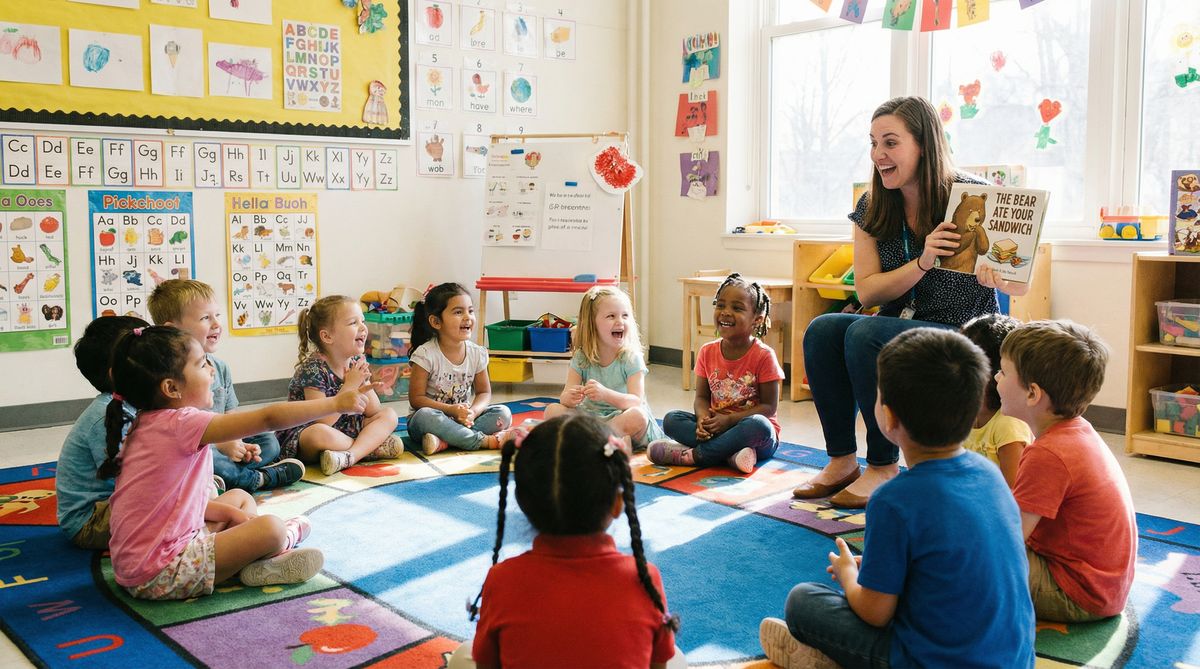
Imagine a typical morning at Sunshine Learning Centers in New York City. The sun is just starting to rise over the skyline as children from diverse backgrounds enter the building, each bringing their unique languages and cultures. In one classroom, a teacher reads a story in Spanish, while another leads a song in Mandarin. This is not just a scene of cultural diversity; it's a powerful learning environment that can significantly benefit your child's development.
The Power of Early Language Exposure
Exposing children to multiple languages from an early age has numerous cognitive and social benefits. According to the American Council on the Teaching of Foreign Languages (ACTFL), children who learn more than one language tend to have better problem-solving skills, enhanced creativity, and improved memory (ACTFL, 2017). At Sunshine Learning Centers, we understand that these advantages are not just theoretical; they are evident in the way our students interact with their peers and approach new challenges.
Building a Strong Foundation for Future Learning
One of the most significant benefits of multilingual daycare programs is the strong foundation they lay for future academic success. Children who grow up learning multiple languages often perform better in reading, writing, and math. A study by the National Center for Biotechnology Information (NCBI) found that bilingual children have a higher cognitive flexibility, which helps them adapt to new situations and think outside the box (NCBI, 2018). This flexibility is crucial as they progress through their educational journey.
At Sunshine Learning Centers, we integrate language learning into every aspect of our curriculum. From storytelling and music to art and playtime, children are constantly engaged in activities that promote language acquisition. This holistic approach ensures that your child not only learns new words but also understands the cultural context behind them.
Social and Emotional Development
Beyond cognitive benefits, multilingual daycare programs also foster social and emotional development. Children who learn multiple languages tend to be more empathetic and open-minded. They are better equipped to understand and appreciate different perspectives, which is essential in our diverse city. At Sunshine Learning Centers, we see this firsthand as children from various backgrounds come together to play, learn, and grow.
Where Families Actually Get This Wrong
- Underestimating the Importance of Consistency: One common mistake parents make is not being consistent with language exposure at home. It's crucial to reinforce what your child learns in daycare by speaking the target language regularly. Even if you're not fluent, using simple phrases and encouraging your child to practice can make a big difference.
- Focusing Too Much on Academic Outcomes: While academic success is important, it should not be the sole focus of early language learning. The social and emotional benefits are equally significant. Encourage your child to enjoy the process of learning new languages rather than pushing them too hard academically.
- Ignoring Cultural Context: Language is deeply intertwined with culture. Simply teaching words without context can limit your child's understanding and appreciation of different cultures. At Sunshine Learning Centers, we ensure that language learning is always accompanied by cultural activities, such as celebrating festivals and exploring traditions.
- Not Seeking Professional Guidance: Some parents try to teach languages on their own without seeking professional help. While this can be effective, it often lacks the structured approach needed for comprehensive language development. Our experienced teachers at Sunshine Learning Centers are trained to provide a balanced and engaging learning environment.
Empowering Your Child for a Global Future
In an increasingly globalized world, being multilingual is not just an advantage; it's a necessity. Children who grow up in multilingual environments are better prepared to succeed in a diverse workforce and navigate complex social situations. At Sunshine Learning Centers, we are committed to providing your child with the tools they need to thrive.
Frequently Asked Questions
How early should I start my child in a multilingual daycare program?
The earlier, the better. Children have a natural ability to absorb languages from birth. Starting them in a multilingual environment as early as possible can maximize their language learning potential.
What if I don't speak the target language at home?
You don't need to be fluent to support your child's language development. Simple phrases and encouragement go a long way. Additionally, our teachers at Sunshine Learning Centers are always available to provide guidance and resources.
Can my child become confused by learning multiple languages simultaneously?
No, research shows that children can easily distinguish between different languages. In fact, being exposed to multiple languages from an early age helps them develop better cognitive skills and language proficiency.
At Sunshine Learning Centers, we believe that every child has the potential to excel in a multilingual environment. By providing a supportive and engaging learning experience, we aim to empower your child for a bright and successful future.
%201.png)